Source skin whitening deoxyarbutin powder for cosmetics, skincare, and health care
Compare 30 listings for skin whitening deoxyarbutin powder with assay up to 99% and ISO certification. Buyers can evaluate specifications, packaging options, and supplier details for cosmetic raw material sourcing.
Key considerations
Products List




Comprehensive Sourcing Guide
Strategic Sourcing Guide for Skin Whitening Deoxyarbutin Powder
Understanding Technical Specifications and Chemical Identity
When sourcing deoxyarbutin powder for cosmetic and health care applications, the primary objective is to verify the precise chemical identity and physical properties of the raw material. The core keyword "skin whitening deoxyarbutin powder" refers to a specific synthesis material intermediate that functions as a potent tyrosinase inhibitor. Buyers must distinguish this compound from its isomers, such as alpha-arbutin or D-arbutin, as the chemical structure dictates efficacy and regulatory status.
The molecular formula for the specific deoxyarbutin variant often cited in high-purity listings is C11H14O3, with a molecular weight of approximately 194.23 g/mol. However, procurement documents may also reference C12H16O7, which corresponds to D-arbutin. This discrepancy highlights the critical need for buyers to cross-reference the CAS number provided by the supplier against the intended active ingredient. The primary CAS number associated with deoxyarbutin is 53936-56-4, while 84380-01-8 is frequently listed for related arbutin variants. Relying solely on the product name without verifying the CAS number can lead to the receipt of incorrect isomers, which may alter the formulation's performance profile.
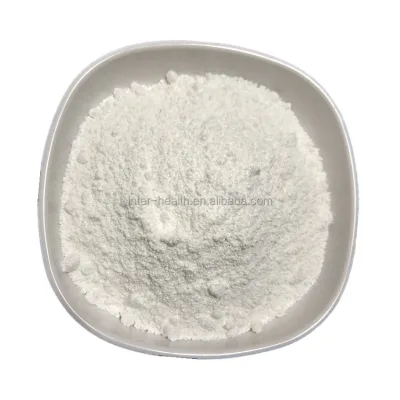
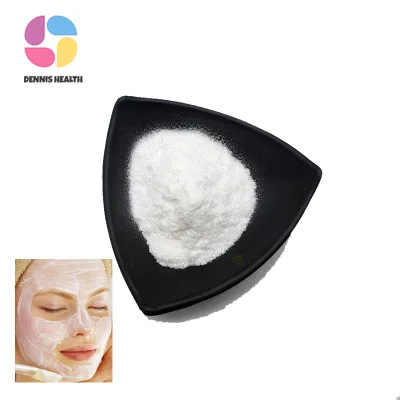
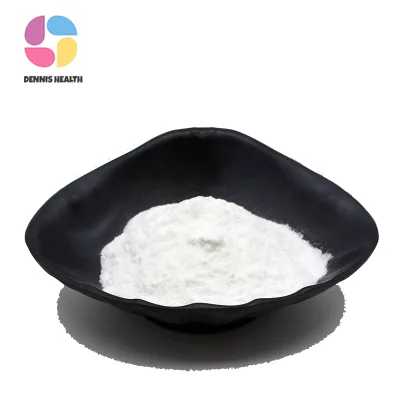
Physically, the material is characterized as a white powder. The appearance is a fundamental quality indicator; any deviation from a bright white color may suggest oxidation, impurities, or degradation during storage. The standard assay for high-grade deoxyarbutin typically ranges from 98% to 99%, with some specifications explicitly stating a minimum of 99% purity. This assay value is the primary metric for potency. Buyers should expect the product to be supplied in a "Cool Dry Place" environment to maintain stability, as moisture can compromise the integrity of the powder. The shelf life is generally documented as two years from the date of manufacture, provided storage conditions are strictly maintained.
Compliance Framework and Certification Verification
In the global cosmetic supply chain, compliance is not merely a formality but a prerequisite for market access. Deoxyarbutin is widely used in skin whitening formulations, making it subject to rigorous regulatory scrutiny in major markets such as the European Union, the United States, and Asia. When evaluating potential suppliers, buyers must verify the presence of recognized quality management and safety certifications.
The supply data indicates that suppliers may hold ISO certification, which is a baseline requirement for manufacturing consistency. More advanced compliance often includes GMP (Good Manufacturing Practice), which is essential for cosmetic raw materials to ensure that products are consistently produced and controlled according to quality standards. Additionally, certifications such as BP (British Pharmacopoeia) and USP (United States Pharmacopeia) are critical if the deoxyarbutin is intended for use in products that may border on drug-cosmetic boundaries or require high purity standards.
Safety and environmental compliance are also paramount. Certifications like HSE (Health, Safety, and Environment) and FDA registration (where applicable for the facility or specific product lines) provide assurance that the manufacturing process adheres to strict safety protocols. It is important to note that while "FDA" is listed as a certification in some contexts, buyers must clarify whether this refers to facility registration or specific product approval, as the FDA does not "approve" cosmetic ingredients in the same manner as drugs.
The Certificate of Analysis (COA) is the definitive document for compliance verification. A valid COA should confirm the assay results, purity levels, and the absence of heavy metals or residual solvents. The testing methods referenced in the supply data, such as HPLC (High-Performance Liquid Chromatography) and UV (Ultraviolet) spectroscopy, are the industry standards for verifying the concentration and purity of deoxyarbutin. Buyers should insist on receiving a COA generated using these specific methods to ensure the data is reliable and comparable across different batches.
Cost Drivers and Pricing Structure Analysis
The pricing of deoxyarbutin powder is influenced by a complex interplay of factors, including raw material costs, synthesis complexity, purity levels, and packaging requirements. The observed price range in the market is substantial, spanning from $0.33 to $1,400 per unit. This wide variance is not indicative of a single product but rather reflects differences in packaging sizes, purity grades, and order volumes.
The minimum order quantity (MOQ) is a significant cost driver. Data suggests an MOQ range of 1 to 100 units, with specific listings indicating a 1 kg MOQ for trial or small-batch orders. Larger orders, such as 25 kg drums, typically benefit from economies of scale, reducing the cost per kilogram. The packaging format also impacts the final price; for instance, a 1 kg aluminum foil bag is priced differently than a 25 kg cardboard drum. The single gross weight of a standard package is noted as 1.500 kg, which includes the weight of the container, affecting shipping calculations.
Buyers must also consider the "Selling Units" structure. Some suppliers offer single-item sales for sampling, while others require bulk commitments. The "Customization" availability allows for tailored packaging or labeling, which may incur additional costs. When analyzing the price range, it is crucial to normalize the cost to a per-kilogram basis to make accurate comparisons. A price of $0.33 likely refers to a specific sample size or a promotional rate, whereas the $1,400 figure may represent a bulk drum order or a premium certified batch.
Typical Applications and Formulation Integration
Deoxyarbutin powder is primarily utilized as a raw material in the cosmetic and health care industries. Its main application is as a skin whitening agent, where it effectively inhibits the enzyme tyrosinase, thereby reducing melanin production. This makes it a key ingredient in serums, creams, lotions, and masks designed for hyperpigmentation correction and skin brightening.
The material is classified as a "Synthesis Material Intermediate," indicating its role as a foundational component in the manufacturing of finished cosmetic products. It is suitable for adult use and is compatible with various cosmetic bases. The "Usage" field explicitly lists "Cosmetic Raw Materials" and "D-Arbutin extract Deoxyarbutin Powder," confirming its dual relevance in both synthetic and extract-based formulations.
In terms of formulation, the powder must be dissolved or dispersed correctly to ensure bioavailability. The "Cool Dry Place" storage requirement suggests that the ingredient is sensitive to environmental factors, which must be accounted for during the manufacturing process. The "Application" is also noted as "Health Care Products," expanding its potential use beyond cosmetics into functional supplements or topical treatments, provided regulatory approvals are secured.
Supplier Evaluation and Operational Capabilities
Selecting the right supplier involves more than just comparing prices; it requires a holistic evaluation of their operational capabilities and reliability. The supply data reveals that suppliers often offer "OEM Service" and "Customization," indicating flexibility in meeting specific client needs. This is particularly valuable for brands that require private labeling or specific packaging configurations.
The "Place of Origin" is consistently listed as Shaanxi, China, or generally China. This regional concentration suggests a mature supply chain for arbutin derivatives in this area. However, buyers should verify the specific factory location and audit the facility to ensure it meets international standards. The availability of samples, described as "Feel Free to Contact Us" or "Available," is a positive indicator of supplier confidence and willingness to engage in the evaluation process.
Lead times and logistics are critical operational factors. While specific lead times are not explicitly detailed in the provided facts, the existence of a "Sample" option implies a faster turnaround for initial testing. For bulk orders, buyers should negotiate clear delivery terms. The "Single package size" of 15x20x30 cm and the "Single gross weight" of 1.500 kg provide essential data for logistics planning and freight cost estimation.
Quality Control Protocols and Testing Standards
Maintaining consistent quality is the cornerstone of successful procurement. The "Test Method" for deoxyarbutin is predominantly HPLC, with UV analysis as a supplementary method. These techniques are essential for quantifying the active ingredient and detecting impurities. Buyers should ensure that the supplier's quality control laboratory is equipped with these instruments and that the testing protocols are standardized.
The "Assay Method" is listed as UV and HPLC, reinforcing the need for rigorous analytical verification. The "Standard" for the product is often defined as 99% purity or 99% minimum. This specification should be a contractual obligation, with penalties for non-compliance. The "COA" (Certificate of Analysis) is the primary document for quality assurance, and it must be available for every batch shipped.
Furthermore, the "Grade" of the material is specified as "Cosmetic Grade," which implies it meets the purity and safety standards required for topical application. Buyers should request detailed test reports that include limits for heavy metals, microbial counts, and residual solvents. The "Powder" form is confirmed as the standard physical state, and any deviation from this should be investigated immediately.
Long-Term Procurement Considerations
Sourcing deoxyarbutin powder is a long-term strategic decision that requires a focus on supply chain resilience and relationship management. The "Customized" nature of the product and the "OEM Service" availability suggest that successful partnerships are built on flexibility and communication. Buyers should establish clear communication channels with suppliers to address any changes in formulation requirements or regulatory updates.
The "Shelf Life" of two years necessitates careful inventory management to prevent product degradation. Buyers should implement a First-In, First-Out (FIFO) system to ensure that older stock is used before newer batches. Additionally, the "Cool Dry Place" storage requirement must be strictly enforced throughout the supply chain, from the supplier's warehouse to the buyer's facility.
As the market for skin whitening ingredients evolves, staying informed about regulatory changes is crucial. The presence of certifications like ISO, GMP, and USP indicates a commitment to quality, but buyers must remain vigilant regarding updates in local regulations. Building a relationship with a supplier that offers "Feel Free to Contact Us" for samples and technical support can facilitate smoother troubleshooting and innovation in product development.
Comparative Analysis of Product Attributes
To facilitate a clear understanding of the variations in the market, the following table summarizes the key attributes observed in the supply data. This comparison helps buyers identify the specific parameters that align with their procurement needs.
| Attribute Category | Observed Values / Options | Relevance for Buyer |
|---|---|---|
| Chemical Identity | CAS: 53936-56-4 (Deoxy) / 84380-01-8 (D-Arbutin) | Critical for verifying correct isomer. |
| Purity / Assay | 98%, 99%, 99% min | Determines potency and pricing tier. |
| Physical Appearance | White Powder | Visual quality check for degradation. |
| Packaging | 1kg/Aluminum Foil Bag, 25kg/Cardboard Drum | Impacts storage and shipping costs. |
| Certifications | ISO, GMP, BP, USP, FDA, HSE | Regulatory compliance for target markets. |
| Testing Methods | HPLC, UV | Essential for verifying COA data. |
| Origin | Shaanxi, China / General China | Logistics and supply chain stability. |
| MOQ | 1kg to 100 units | Determines entry cost and inventory risk. |
| Shelf Life | 2 years | Inventory management planning. |
This structured approach ensures that buyers can navigate the complexities of sourcing deoxyarbutin powder with confidence, focusing on verified facts and industry best practices rather than unverified claims. By adhering to these guidelines, procurement professionals can secure high-quality raw materials that meet the stringent demands of the modern cosmetic industry.
FAQs
What is the purity level of skin whitening deoxyarbutin powder?
The product typically offers a purity of 98% to 99% minimum. This high assay ensures potency for cosmetic applications while meeting standard industry specifications for raw materials.
How should skin whitening deoxyarbutin powder be stored?
Store the powder in a cool dry place to maintain stability and prevent degradation. Proper storage conditions are essential to preserve the two-year shelf life and physical appearance of the white powder.
Which certifications do suppliers of this powder usually hold?
Suppliers often hold ISO, GMP, USP, BP, and HSE certifications. These credentials verify that the manufacturing process adheres to strict quality and safety standards for cosmetic grade raw materials.
Can I request samples of skin whitening deoxyarbutin powder?
Yes, samples are available for evaluation and testing purposes. Buyers can contact suppliers to obtain small quantities to verify quality before committing to larger bulk orders.
What is the minimum order quantity for this raw material?
The minimum order quantity starts at 1 kg for trial batches. Larger orders typically utilize 25 kg drums, with specific MOQs varying by supplier and packaging configuration.
How is the purity of skin whitening deoxyarbutin powder tested?
Purity is verified using HPLC and UV analysis methods. These standard testing techniques ensure accurate measurement of the active ingredient concentration and detect any potential impurities.
What packaging options are available for skin whitening deoxyarbutin powder?
Packaging includes 1 kg aluminum foil bags and 25 kg cardboard drums. These options protect the powder from moisture and facilitate safe handling during shipping and storage.